Trauma Recovery Coaching
Updated: 2 days ago
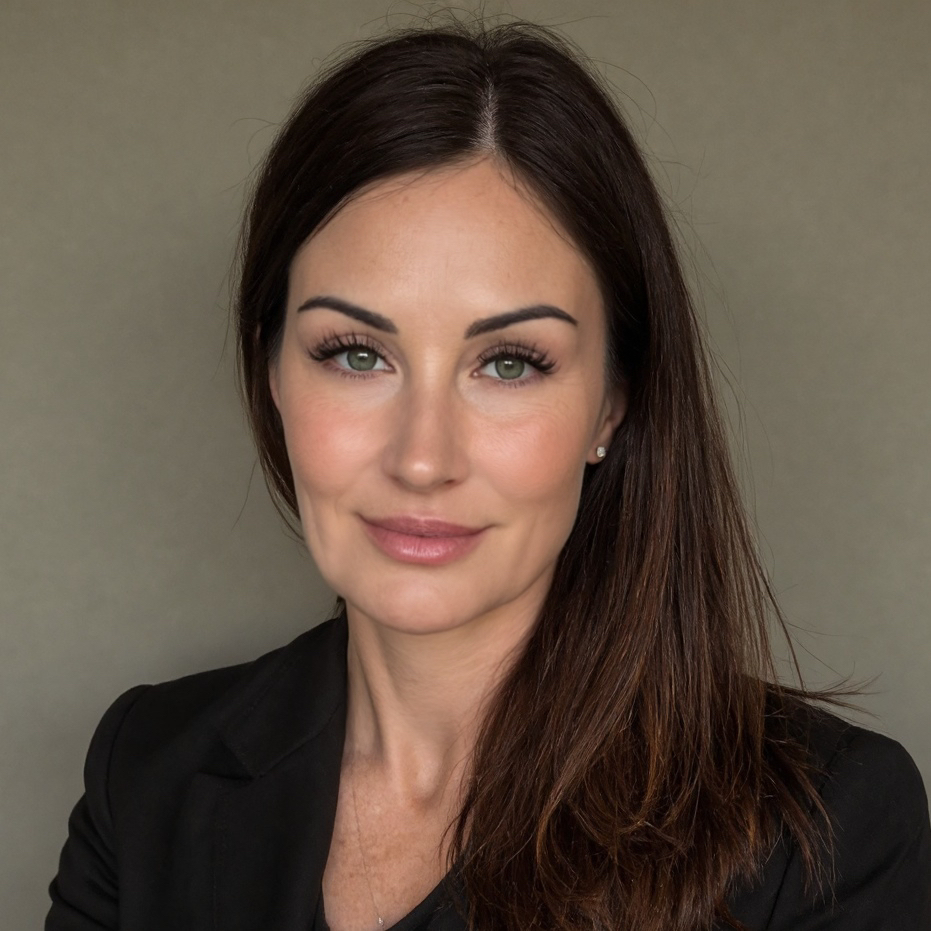
For more than 20 years, my professional life has centered around helping vulnerable and marginalized people experiencing adversity- domestic violence, poverty, homelessness, mental heath challenges, addiction, sexual abuse, human trafficking, and family separation through incarceration and violence. As a nurse practitioner, forensic nurse examiner, and expert witness, I have worked with people during some of the most difficult moments of their lives. I have also worked with people who have faced such adversity that they have never truly known peace.
Through education, research, and clinical experience, I have learned an enormous amount about trauma, but my most meaningful experiences have been personal.
As a survivor of developmental, attachment, and interpersonal trauma, my own journey taught me what my education and profession never could. I have carried the effects and adaptations of my early life adversity in every cell of my body, and this has shaped the structure and foundation of my entire life. Permanently fixed in a hyper-aroused state, every perception was filtered through the lens of a nervous system always prepared to flee, freeze, and defend. I was desperate to earn love and approval and recklessly determined to numb the overwhelming fear and shame.
I have often heard professionals refer to healing as a process where we return to a state we previously experienced- a state created through healthy early life attachment where there is an inherent understanding of our value, our right to exist, and a connection with ourselves and others. Unfortunately, many of us did not develop with such a foundation. This is one of the reasons that traditional psychotherapy can feel so frustrating for some trauma survivors. We try to return to something that we never experienced and cannot even comprehend. As a result, we often wind up feeling even more broken, deficient, and hopeless.
Fortunately, we are miraculous beings with the capacity to rewire ourselves in every moment with every thought, every experience, and every encounter. It took many years of suffering and confusion to find my truth. Through courage, willingness, honesty, mindfulness, and grace from helpful people, I have become the light I needed in the darkness. I feel a deep connection with myself and the universe and I understand my purpose. I have made peace with the past and I'm healing my nervous system. I have changed so much that my previous self would not even recognize the person I am now. This is the gift of trauma recovery. We have the privilege of discovering the inner light that remains unchanged by trauma and adversity and allowing it to illuminate the development of our new selves and our new lives.
Healthcare taught me the importance of traditional diagnosis and treatment. Those things matter deeply to me and always will. But the solutions to complex developmental trauma are not simple or prescriptive. They are deeply personal and individual and are based on our unique circumstances, social and cultural context, relationships, biology, protective factors, and individual temperaments. People who grew and developed in chaotic, unpredictable, and destructive environments spend years feeling frustrated, bewildered, and defeated by their own thoughts and behaviors. They may recognize patterns intellectually and still struggle to change them.
For more than thirty years, I have worked with therapists from various professional backgrounds using different modalities. I learned that healing from interpersonal trauma requires at least one safe relationship where survivors can meet themselves exactly as they are. We learn to stop fighting and judging ourselves and to stop denying the parts of us that we find intolerable. We develop gentleness, curiosity, and compassion for ourselves. When another human being brings their full authentic presence to meet us in unconditional acceptance, some kind of magic happens. We can attune to this person and then begin to attune to ourselves. We are finally free to explore the world through a new lens. That experience is what drew me to trauma recovery coaching.
One of the foundational beliefs behind Integrative Trauma Recovery Coaching is that trauma affects far more than our psychology. It influences our bodies and nervous systems, our relationships, identity, our ability to trust, the way we experience safety, our beliefs about ourselves and others, and even our spiritual awareness. That is why my approach to recovery is integrative. I believe meaningful healing involves the mind, body, spirit, and relationships (especially our relationship with ourselves). I also believe that people have an innate capacity for healing, even when they have never experienced a life without chaos and dysfunction.
Coaches do not diagnose or treat illness. They don't act with authority, use psychological strategies or hold power. Trauma recovery coaching is fully transparent, collaborative and client-led. My role is to provide education, support, reflection, resources, and a trauma-informed relationship in which clients can explore their experiences and navigate their own healing journey.
I created Integrative Trauma Recovery Coaching because I wanted to bring together the wisdom, knowledge and awareness that have shaped my understanding of healing: decades of professional experience, trauma-informed practice, neuroscience and nervous-system awareness, mindfulness, spirituality, and my own lived experience as a survivor.
I believe deeply in our innate ability to heal from trauma. I believe that survivors carry the answers to their own recovery. Sometimes those answers are hidden beneath layers of fear, shame, survival strategies, and confusion, and sometimes they are scattered in a million pieces. My role is to help you peel back the layers, to hold a safe space while you find and assemble the pieces, and to walk beside you as you reveal your inner truth and recover your light.
Comments